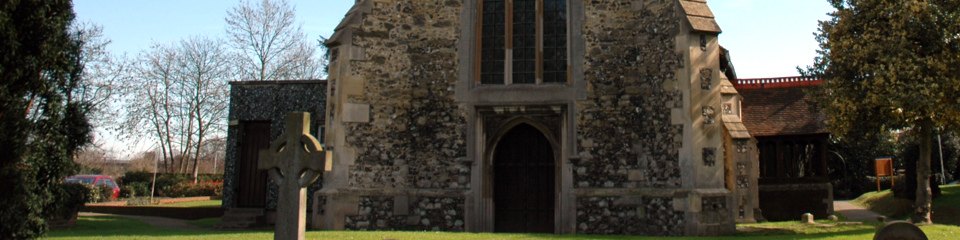
 St Peter & St Paul Church Harlington
Welcome to St Peter & St Paul's Church
Why not join us at our weekly
9.30am - Sunday morning Service
Parish Communion
You can be assured of a warm welcome.
~~~~~~~~~~~~~~~~~~~~~~~

~~~~~~~~~~~~~~~~~~~~~~~~~~~~~~~
Serving God and the people of Harlington for over 900 years.
Please browse our website to learn more about our Church and what is going on in our community.
If you would like to find out more or pay us a visit, you can find contact details on this website. Alternatively, if you are able to, just pop in on a Sunday morning - we would be very pleased to see you.
~~~~~~~~~~~~~~~~~~~~~~~~~~~~~~~~~
A Prayer for Peace in our World
Heavenly Father, we lift our voices in prayer for peace in our world.
Amid conflicts and unrest, we seek Your intervention and guidance.
You are the Prince of Peace, and we ask that Your peace would transcend borders and boundaries, permeating every nation, community, and heart.
Bring an end to violence, hatred, and division. Soften hearts that have grown hardened and replace animosity with understanding and love.
May the desire for peace grow stronger within all of us, uniting us in our pursuit of harmony and justice. Lord, let Your peace prevail. Amen.
~~~~~~~~~~~~~~~~~~~~~~~~~~~~~~~~~~
We pray for His Majesty the King, for Catherine, Princess of Wales and for all who are affected by a cancer diagnosis. We pray too for all who attend to them and support them.
Father, grant to King Charles, Catherine, and
all affected by cancer, comfort and sure confidence in you, and keep them in your peace and safety, through Jesus Christ our Lord. Amen.
~~~~~~~~~~~~~~~~~~~~~~~~~~~~~~~~~~~~~~~~~~~
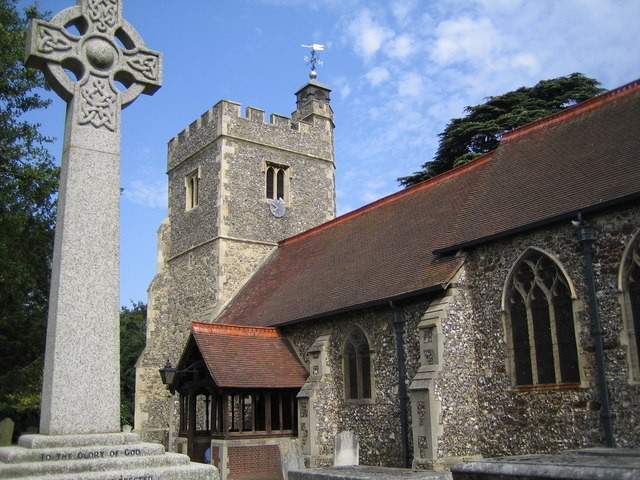
O God, make the doorway of this church wide enough to receive all who need human love and fellowship.
Let its doors be open and inviting to all who enter here, and its walls resound with the praise and worship of your people.
 Print
Print